APPS • DAILYTECH.ID - Experiencing a white cursor in Google Docs can be incredibly disruptive, making it difficult to pinpoint your typing location against light backgrounds. This common issue often stems from various system, browser, or application settings, leading to frustration for many users.
Your cursor appears white in Google Docs often due to system-level display settings, browser extensions, or accessibility features like High Contrast Mode. It can also be a temporary rendering glitch. This typically affects the text insertion point, making it blend with light backgrounds and hindering visibility. To resolve this, understanding the root cause is crucial for applying the correct fix.
Understanding Why Your Google Docs Cursor Appears White
In our digital journeys, we often encounter small hindrances that disrupt our flow, much like a tiny pebble in a clear stream. A white cursor in Google Docs is one such experience, causing moments of pause and confusion. To mend it, we must first understand its nature and origins, looking beneath the surface of the screen.
Is It a Feature or a Bug? Differentiating Expected Behavior from Issues
When we speak of a cursor, we usually envision a sharp, blinking vertical line – a beacon on the digital page, guiding our thoughts onto the screen. This is the standard text insertion point in Google Docs, designed to stand out against the document’s background. However, sometimes the very lightness of a document’s background can make this beacon appear to blend in, giving the impression that “why is my cursor white on a Google Doc?” In these instances, the cursor itself might not have truly changed color; rather, the lack of contrast between a naturally light cursor and an equally light background creates an illusion of invisibility or whiteness. This is not a bug but a matter of perception and environmental factors, much like a white deer in a snow-covered forest. It is when the cursor should be clearly visible against any background, yet remains stubbornly white, that we truly face an issue demanding our attention.
Common Causes for a White Cursor in Google Docs
The reasons behind a white cursor are diverse, rooted in the interplay between our operating system, browser, and the Google Docs application itself. Understanding these threads helps us unravel the mystery and restore harmony to our writing space.
- Browser Extensions and Conflicts:
Many users find themselves asking, “why is my cursor white only in Google Docs?” This peculiar specificity often points a finger directly at browser extensions. These little helper programs, while intended to enhance our browsing experience, sometimes interfere with the delicate rendering processes of web applications. Extensions designed to modify web page styling, enforce dark modes, or improve accessibility can inadvertently alter how the text cursor is drawn on the screen. For instance, a dark mode extension might try to invert colors everywhere, leading to a white cursor against a light background that it thinks is dark, or vice versa. When an extension forces specific CSS (Cascading Style Sheets) rules onto Google Docs, it can override the application’s intended cursor appearance, causing it to render as white. This ongoing conflict often explains “why does my cursor keep turning white in Google Docs,” as the extension continually reasserts its influence. It’s like having two different voices trying to guide the same path. - System-Level Accessibility Settings:
Our operating systems offer powerful tools to help us navigate the digital world, especially for those with unique visual needs. Among these is High Contrast Mode, a common accessibility feature on systems like Windows and macOS. When activated, this mode significantly impacts how web content and applications are displayed, often overriding default color schemes to provide stark contrast. If you’re pondering “why is my cursor white in Google Docs Windows 11,” delving into your system’s high contrast settings is a paramount first step. This feature, while beneficial for many, frequently forces elements like text cursors to a fixed high-contrast color, which is often white, making it blend seamlessly with light document backgrounds and thus becoming an invisible guide instead of a clear one. - Browser-Specific Settings and Themes:
Beyond extensions, the very framework of our web browser—its internal settings and chosen themes—can also cast a shadow or bring an unwanted light upon our cursor. Custom browser themes, especially those with strong color palettes, or the browser’s built-in dark modes, can sometimes interfere with how Google Docs renders its interface elements. The browser acts as the canvas upon which Google Docs paints its world; if the canvas itself has underlying color rules or rendering quirks, it can affect everything displayed on it, including the delicate stroke of the text cursor. This interference can make users observe, “why does my cursor appear white in Google Docs” when specific browser settings are actively shaping the visual environment. - Google Docs Settings and Document Themes:
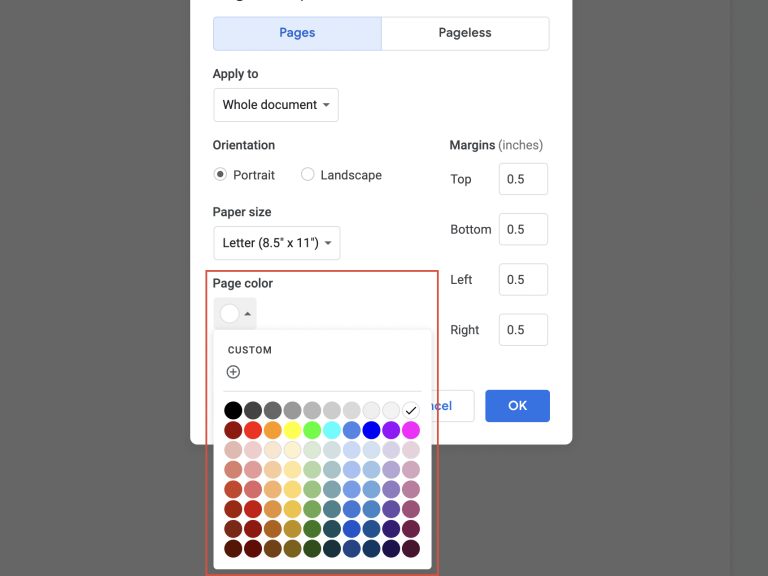
While less frequently the sole culprit, the settings within Google Docs itself, or the chosen document theme, can contribute to cursor visibility issues. If a custom document theme or specific formatting, such as an intentional change to the document’s page color, affects the background to be very light, it might make the text cursor appear less distinct. This is a matter of contrast rather than a color change in the cursor itself. If you’re asking, “why is my cursor color white in Google Docs,” it’s worth considering if a subtle shift in the document’s background or theme has inadvertently dimmed your cursor’s presence by making it blend too perfectly. - Temporary Glitches and Cache Issues:
Even the most stable digital environments can experience momentary tremors. Sometimes, the question of “why is my cursor turning white in Google Docs” is simply a temporary rendering glitch—a fleeting misstep in the browser’s display process. Our browsers store vast amounts of data in their cache and cookies to speed up website loading. However, this stored data can sometimes become corrupted or outdated, leading to display anomalies like a white text cursor that refuses to show its true colors. These glitches are often transient, disappearing as quickly as they appeared, but they can be a source of immediate frustration.
How to Fix Your White Cursor in Google Docs: Step-by-Step Solutions
Just as a skilled tracker knows many paths to follow, so too must we know various remedies for a white cursor. Each step brings us closer to restoring clarity to our digital writing space. Patience, like a steady hand, is key in this process.
Basic Troubleshooting Steps
Before diving into deeper configurations, we begin with the simplest acts, much like testing the water before crossing a stream. These fundamental steps often clear minor disturbances.
- Refresh the Page or Restart Your Browser:
Often, the simplest gestures hold the most power. A quick page refresh, usually by pressingF5orCtrl+R(orCommand+Ron Mac), can compel the browser to reload all elements from scratch, discarding any temporary rendering errors that might have made “why does my cursor turn white in Google Docs.” This is akin to a gentle breeze clearing a mist. If the cursor remains elusive, restarting your entire web browser is the next logical step. This action clears all temporary session data, active processes, and memory allocations, providing a completely fresh start for all web applications, including Google Docs. It’s a clean slate, often powerful enough to resolve transient display issues by wiping away any lingering digital dust. - Try a Different Browser or Incognito Mode:
To truly understand the source of the trouble, sometimes we must change our perspective. Opening Google Docs in a different web browser (like switching from Chrome to Firefox or Edge) or using your current browser’s Incognito/Private mode (which disables most extensions and clears session data) serves as a potent diagnostic tool. If the cursor appears normally in a different browser or Incognito mode, it immediately tells us the issue is specific to your primary browser’s settings, extensions, or cache, rather than a system-wide problem. This quick test is frequently suggested when users search “why is my cursor white in Google Docs Reddit,” highlighting its effectiveness in narrowing down the culprits. - Update Your Browser:
Our digital tools, much like our physical ones, benefit from regular care and upgrades. Ensuring your web browser is updated to its latest version is not merely a suggestion but a crucial maintenance practice. Software developers continuously release updates that include bug fixes, performance enhancements, and improved compatibility with web standards and applications. An outdated browser might contain known rendering bugs or compatibility issues that directly affect how web applications like Google Docs display their elements, including the text cursor. Updating ensures you benefit from these improvements, often resolving underlying display glitches without needing further intervention.
Adjusting Browser and Extension Settings
If basic steps do not restore our cursor’s visibility, we must turn our attention to the specific tools within our browser, examining their influence.
- Disable or Remove Browser Extensions:
When your cursor is white only in Google Docs, browser extensions stand as primary suspects. These helpful add-ons can sometimes overreach their intended purpose, inadvertently altering the visual integrity of specific websites. To address this, navigate to your browser’s extension manager (often found in the browser’s menu under “Extensions” or “More tools”). The strategy here is methodical: temporarily disable all extensions first. Then, refresh your Google Docs page. If the cursor returns to its normal color, you’ve confirmed an extension is the cause. The next step is to re-enable them one by one, refreshing Google Docs after each, until the white cursor reappears. The last extension you enabled is likely the culprit. Once identified, you can decide to remove it, update it, or find an alternative. This methodical approach is key when “why is my typing cursor white on Google Docs” becomes a persistent and puzzling question. - Clear Browser Cache and Cookies:
Over time, our browsers accumulate a wealth of data in their cache and cookies, designed to speed up browsing by storing parts of websites locally. However, this build-up of old, conflicting, or corrupted cache data can lead to a myriad of display issues, including a white cursor. Clearing your browser’s cache and cookies forces it to re-download all website assets, ensuring you’re viewing the freshest version of Google Docs without interference from stale data. The process typically involves going to your browser’s settings, finding “Privacy and Security” or “Clear browsing data,” and selecting options to clear cache and cookies. Perform this cleansing, restart your browser, and then revisit Google Docs. This often resolves persistent problems where “cursor is white in Google Docs” due to data corruption. - Review Browser Appearance Settings:
Beyond extensions, your browser itself may have internal appearance settings that affect how content is rendered. Many browsers offer built-in dark modes, custom themes, or even experimental flags that can override website styling. Delve into your browser’s settings, often under sections like “Appearance” or “Themes.” Ensure that no forced dark modes are active that might be incorrectly interpreting Google Docs’ interface. Revert to a default browser theme if you’re using a custom one, and check for any accessibility settings within the browser that might be overriding colors or contrasts. Sometimes, even subtle adjustments here can restore the cursor’s intended appearance.
Modifying System Accessibility and Display Settings
Our operating system is the bedrock upon which all applications rest. Sometimes, adjustments at this foundational level are necessary to resolve visual discrepancies.
- Disable High Contrast Mode:
For those using Windows 11 and wrestling with “why is my cursor white in Google Docs Windows 11,” High Contrast Mode is a frequent and significant factor. This powerful accessibility feature is designed to aid users with visual impairments by applying a system-wide color scheme that often includes a white cursor, intended to stand out against typically dark backgrounds. However, when combined with a light Google Docs page, it creates the opposite effect. To disable it, navigate to your Windows 11Settings>Accessibility>Contrast themes. Here, you will find options to turn off any active contrast theme. Once disabled, restart your browser or even your computer to ensure the system-wide change takes full effect. This is a very common and effective solution for white cursor issues that stem from the operating system’s broad influence. - Check Custom Cursor or Pointer Schemes:
While typically associated with the mouse pointer, some custom cursor or pointer schemes applied at the system level can occasionally impact how the text cursor is rendered within certain applications, including web-based ones. If you have customized your system’s mouse pointer (e.g., changed its size, color, or adopted a unique design for better visibility), it’s worth reviewing these settings. Navigate toWindows Settings>Bluetooth & devices>Mouse>Additional mouse settings(or search for “Change mouse pointer size” and “Change cursor thickness” in Windows). While the mouse pointer and text cursor are distinct, some system-wide overrides can inadvertently affect both. If you’ve modified your text cursor’s appearance (e.g., increased its thickness or changed its indicator color), ensure these settings aren’t contributing to the visibility problem. This check might address the intent behind “why is my mouse cursor white in Google Docs,” clarifying that it’s the text cursor’s visibility that is the true concern.
Optimizing Google Docs Document Settings
Sometimes, the simplest path to a clear view is to adjust the immediate surroundings rather than the object itself.
- Adjust Document Background Color:
If the core of the issue is that “my text cursor is white” and it merges seamlessly with a pure white document background, making it hard to find, a practical workaround lies within Google Docs itself. Instead of trying to force the cursor to change color (which isn’t a direct option in Google Docs), you can change the page color. Go toFile>Page setup>Page color. By selecting a very light gray or an off-white hue for your document background, you introduce just enough contrast to make the standard white text cursor clearly visible without significantly altering the document’s aesthetic. This simple adjustment can significantly improve visibility and alleviate the frustration of a vanishing cursor.
Preventing Your Cursor from Turning White in Google Docs
Just as a careful gardener tends to their plants to ensure a fruitful harvest, so too can we adopt practices that prevent our digital tools from faltering. Proactive care is the best defense against a white cursor returning.
Best Practices for Google Docs Users
Maintaining a harmonious relationship with our digital tools requires diligence and understanding. By adopting these best practices, you can ensure your cursor remains a clear and reliable guide in Google Docs, preventing the frustration of asking, “why is my cursor always white in Google Docs?”
- Regularly clear your browser’s cache and cookies to prevent data corruption. This ritualistic cleansing of your browser’s stored data ensures that Google Docs always loads the freshest information, bypassing any old or corrupted files that could lead to rendering errors, including a white cursor. Consider making it a monthly habit, much like clearing out your physical workspace. This keeps the pathways of information clean and smooth, preventing digital debris from accumulating and causing unexpected visual glitches.
- Be selective with browser extensions; only install those from trusted sources and disable any that are not actively in use. Each extension you add is another voice in the conversation between your browser and Google Docs. Too many voices, or voices from unknown origins, can lead to confusion and conflict. Prioritize extensions that are widely reviewed, from reputable developers, and genuinely essential to your workflow. If an extension isn’t serving a critical purpose, disable it to reduce the potential for interference, especially with visual rendering. This mindful approach minimizes the risk of an extension inadvertently altering your cursor’s appearance.
- Keep your web browser updated to its latest version to benefit from bug fixes and improved rendering capabilities. Browser developers are constantly refining their software, fixing known issues, and enhancing compatibility with the ever-evolving web. Running an outdated browser is like relying on an old map in a changing landscape; it might lead to unexpected detours or dead ends, such as rendering bugs that affect your Google Docs cursor. Enable automatic updates or check manually often to ensure you’re always using the most stable and feature-rich version available, providing a solid foundation for your online work.
- Familiarize yourself with your operating system’s accessibility options, as these can significantly impact your Google Docs experience. Accessibility features, while incredibly helpful for many, can sometimes create unintended visual conflicts when combined with specific applications or settings. Understanding how features like High Contrast Mode or custom cursor schemes operate on your Windows 11 system empowers you to quickly identify and adjust them if they are causing your cursor to turn white. Knowing where these controls reside allows you to take swift action, maintaining control over your visual environment.
- If you find “why is my cursor always white in Google Docs,” consider using different Google Docs themes or templates that offer better contrast for your text cursor. Sometimes, the most direct solution is to adapt your environment. While Google Docs doesn’t offer direct cursor color customization, choosing document themes or templates that have slightly darker or colored backgrounds can naturally improve the visibility of a white cursor. Experiment with different page colors or pre-designed themes within Google Docs to find a visual setting where your cursor, regardless of its true color, stands out clearly, ensuring a smooth and uninterrupted writing experience.
FAQs – Why Is My Cursor White In Google Docs
Your cursor may suddenly turn white due to a temporary browser glitch, a newly activated browser extension, a system-level high contrast setting, or recent browser updates that introduce a rendering conflict. It’s often a transient display issue or an interaction with background processes.
Yes, absolutely. Many browser extensions designed to alter web page styling, enforce dark modes, or improve accessibility can inadvertently override Google Docs’ default rendering, causing the text cursor to appear white or blend into the background.
Google Docs does not offer a direct feature to change the text cursor color within its settings. The cursor color is primarily determined by your browser, system accessibility settings (like High Contrast Mode), or interfering browser extensions.
Usually, no. A white cursor in Google Docs is typically an isolated display issue related to browser settings, extensions, or accessibility features, rather than a symptom of a critical system-wide problem. Basic troubleshooting often resolves it.
If the issue is exclusive to Google Docs, begin by checking browser extensions, clearing your browser’s cache, and trying Incognito mode. This specificity strongly suggests a browser-related conflict rather than a system-wide setting.