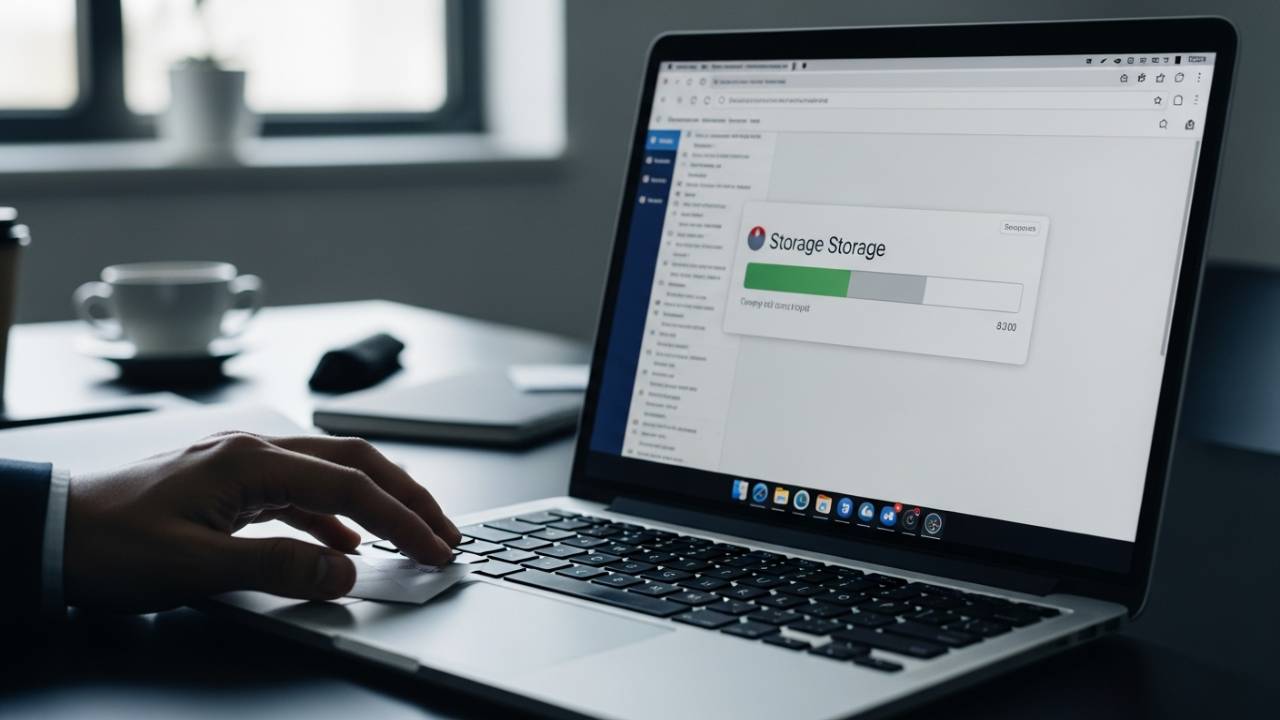
APPS • DAILYTECH.ID - Seeing the dreaded “Gmail storage full” notification is a modern-day panic moment, as it means you can no longer send or receive new emails. Every free Google Account comes with a generous 15 gigabytes of storage, but this digital space is a shared resource. It’s not just for your emails; it’s also used by your files in Google Drive and your pictures and videos in Google Photos. This guide will provide you with a comprehensive, step-by-step action plan to methodically empty Gmail storage and reclaim your digital space. To learn more about managing and securing your Gmail account effectively, visit the Gmail Guide: How to Create, Manage, and Secure Your Account.
What’s Taking Up All the Space? Understanding Your 15 GB Limit
Before you can effectively free up Gmail space, you need to understand what’s consuming it. The 15 GB of free storage provided by Google is a single, unified pool that is shared across three primary services. A problem in one area can directly impact the others.
The Three Pillars of Google Storage
- Gmail: Every single email in your account, from the tiniest plain-text message to a decade-old conversation thread, takes up space. The biggest culprits, by far, are emails with attachments. Large documents, high-resolution photos, presentations, and video files sent as attachments can consume hundreds of megabytes or even gigabytes over time.
- Google Drive: This is your personal cloud drive for storing files. It includes everything you’ve uploaded, such as PDFs, documents, spreadsheets, videos, and ZIP archives. It also includes data from other applications that back up to your Drive, such as WhatsApp chat backups, which can be surprisingly large.
- Google Photos: While Google Photos once offered unlimited “High quality” storage, that policy has changed. Now, photos and videos you back up in both “Storage saver” (previously High quality) and “Original quality” count against your 15 GB limit. High-resolution videos, in particular, can be massive space hogs.
How to Check Your Current Storage Usage
The first step in any cleanup is to assess the situation. Google provides two easy ways to see how your storage is being used.
- The Quick View in Gmail: On a desktop web browser, simply scroll to the bottom of your Gmail inbox. In the bottom-left corner, you’ll see a line of text showing your usage (e.g., “13.2 GB (88%) of 15 GB used”).
- The Detailed Breakdown on Google One: For a much more detailed view, navigate to
one.google.com/storage. Here, you will see a colorful pie chart that visually breaks down how much space is being used by Gmail, Google Drive, and Google Photos. This page is your command center for understanding where your storage is going.
The Consequences of a Full Mailbox
When your 15 GB of storage is completely full, your Google Account becomes severely limited. The most critical consequence is that you will stop receiving new emails. Senders will receive a bounce-back message telling them your mailbox is full. You also won’t be able to save new files to Google Drive or back up new photos.
Your Step-by-Step Action Plan to Empty Gmail Storage
Tackling a full storage problem requires a multi-pronged approach. Follow these methods, starting with the quickest wins and moving to the more detailed cleanups, to effectively reclaim your space. These steps are best performed on a desktop computer.
Method 1: The Quickest Wins – Emptying Trash and Spam
This is the easiest first step and can sometimes free up a surprising amount of space. Items in your Trash and Spam folders still count against your storage quota until they are permanently deleted (which happens automatically after 30 days).
- Empty Your Gmail Trash: In the left-hand menu of Gmail, click on “Trash” (you may need to click “More” to see it). At the top of the folder, click the blue link that says “Empty Trash now.” Confirm the action.
- Empty Your Spam Folder: Click on the “Spam” folder. At the top, click “Delete all spam messages now.” Confirm the action.
- Empty Your Google Drive Trash: Go to Google Drive, click “Trash” in the left menu, and click the “Empty trash” link in the top-right.
Method 2: The High-Impact Cleanup – Deleting Large Emails
The fastest way to free up Gmail space is to target the largest files. Gmail’s powerful search operators make this easy.
- Search for Large Files: Go to the Gmail search bar at the top of the page. Type in a search query to find large emails. A good place to start is
larger:10M. This will find all emails with attachments larger than 10 megabytes. You can adjust the size as needed (e.g.,larger:25Mfor huge files orlarger:5Mfor more results). - Review and Select: Look through the search results. These are your biggest space hogs. Click the main selection checkbox at the top to select all the emails on the page.
- Delete: Click the trash can icon to delete the selected emails.
- Repeat for Other Pages: Go through a few pages of results, deleting as needed. For a more aggressive approach, you can use the “Select all conversations that match this search” link to delete all large emails at once.
Method 3: Clearing Out Old, Unnecessary Emails
Over the years, your inbox accumulates thousands of emails that are no longer relevant. Deleting these in bulk can free up a significant amount of space.
- Search by Date: Use a date-based search operator. For example:
older_than:3y(finds all emails older than three years)before:2022/01/01(finds all emails sent before January 1, 2022)
- Select All Conversations: Just as with the large file search, click the main checkbox, and then click the crucial blue link that says “Select all conversations that match this search.”
- Delete and Confirm: Click the trash can icon and confirm the bulk action.
Method 4: Cleaning Up Google Drive
Often, the biggest storage culprit isn’t Gmail, but forgotten files in Google Drive.
- Navigate to Google Drive: Go to
drive.google.com. - Sort by Size: In the bottom-left corner, click on the “Storage” text. This will automatically take you to a view that lists all of your files across your Drive, sorted from largest to smallest.
- Identify and Delete: The files at the top of the list are your main targets. These are often large video files, old backups from previous phones, ZIP archives, or high-resolution design files. Select any files you no longer need and delete them.
- Empty the Drive Trash: Remember that deleted files go to the Drive’s trash folder. You must empty it to reclaim the space.
Method 5: Managing Google Photos Storage
High-resolution videos and photos can quickly fill up your storage.
- Go to Google Photos Settings: Visit
photos.google.com/settings. Here you can see what quality your photos are being uploaded in. - Review Large Items: A great tool is the Google One storage manager. Go to
one.google.com/storage/management. This page will specifically show you “Large photos & videos” that you can review and delete. - Delete Unwanted Content: Go through your Google Photos library and delete any unnecessary videos, blurry photos, or duplicates. Remember to empty the trash in Google Photos as well.
Staying Lean: How to Prevent Your Storage from Filling Up Again
After your big cleanup, adopt these habits to keep your storage under control.
- Be a Ruthless Unsubscriber: Use the “Unsubscribe” button on newsletters and marketing emails you don’t read. Fewer emails mean less storage used.
- Share with Drive, Don’t Attach: When sending a large file to someone, upload it to Google Drive first and then share a link to the file in your email instead of attaching it directly.
- Schedule a Cleanup: Set a recurring reminder in your calendar (e.g., every six months) to go through these cleanup steps. Regular maintenance is much easier than a massive purge.
- Check App Backups: Be mindful of apps like WhatsApp that can be configured to back up to your Google Drive. Check the app’s settings to manage the backup frequency and content.
When a Cleanup Isn’t Enough: Other Options
If you’ve performed a thorough cleanup and still find yourself needing more space, or if you have an old account you simply don’t use anymore, you might consider other options. Deleting an entire account is a permanent way to manage your digital footprint and storage across multiple services.
Learn more in our full guide: How to Delete or Deactivate a Gmail Account Permanently
Frequently Asked Questions About How to Empty Gmail Storage
No. This is a common misconception. Archiving an email simply removes it from your main inbox view to help you declutter. The email and its attachments are still stored in your account (in the “All Mail” folder) and continue to take up the exact same amount of space. Only deleting and emptying the Trash frees up storage.
The most likely reason is that you haven’t emptied the trash folders. Deleted items in Gmail, Google Drive, and Google Photos all go to their respective trash folders and continue to count against your storage quota for 30 days. You must manually empty the trash in each service to see the space free up immediately.
If you need more than the free 15 GB, you can upgrade to a Google One plan. Visit one.google.com to see the available paid plans, which typically start at 100 GB and offer additional benefits like a VPN and enhanced support.
Yes, absolutely. Every email in your account, regardless of which category tab it’s in, counts towards your 15 GB limit. The Promotions tab is often one of the biggest consumers of storage and is a great place to start your cleanup.
No. As of June 1, 2021, the policy for free unlimited storage for “High quality” (now called “Storage saver”) photos has ended. All new photos and videos you back up to Google Photos, regardless of quality, now count against your shared 15 GB storage quota.
Conclusion: Take Control of Your Digital Space
A “Gmail storage full” notification can be alarming, but it is a solvable problem. By understanding that your 15 GB of space is a shared resource, you can take a strategic and holistic approach to cleaning up your account. The key is to target the largest files first, whether they are email attachments in Gmail, old videos in Google Drive, or high-resolution backups in Google Photos. By adopting the cleanup methods and proactive habits outlined in this guide, you can move from a state of digital clutter to one of organized control, ensuring your account remains a functional and efficient tool for your daily life.