PC • DAILYTECH.ID - Stop letting a sluggish system dictate your productivity. If you’ve been searching for how to clean up a computer to fix constant lagging, you know that every second spent waiting for a window to open is a second of your life wasted. Research indicates that a cluttered PC can lose up to 40% of its processing power simply by trying to manage background “vampire” apps that you never even opened.
Constant lag is rarely about old hardware and almost always about digital congestion. Over time, temporary files, manufacturer bloatware, and fragmented registry entries create a bottleneck that suffocates your CPU. Learning the right way to purge these hidden resources is the most effective way to restore that “out-of-the-box” speed without spending a dime on hardware upgrades.
This guide provides a professional-grade roadmap to revitalize your device. From 5-minute emergency fixes to deep system-level optimizations, we will show you exactly how to clean up a computer to fix constant lagging for good. Whether you are on Windows 11 or a MacBook Pro, these seven steps will transform your machine back into a high-performance tool.
How to Clean Up a Computer (Quick Answer)
To clean up a slow computer without deleting files, immediately disable high-impact startup apps in Task Manager, clear your browser cache, and run the built-in Disk Cleanup tool. For a 5-minute fix, delete temporary files via the
%temp%command and ensure your OS is updated to the latest version to patch system-level performance bugs.
Quick Fix: The 5-Minute “Emergency” Speed Boost
Before we get into deep cleaning, perform these two actions to fix a lagging PC without an upgrade immediately. These steps address the most common “quick” bottlenecks.
Kill Startup Vampires
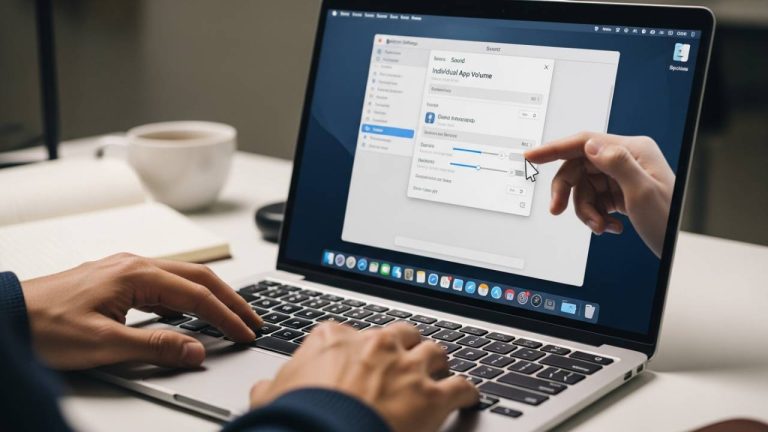
Most users never disable startup apps, leading to a 30% slower boot time on average. Press Ctrl + Shift + Esc (Windows) or check Login Items (Mac). Disable any app with a “High” impact. If you aren’t using it the second you turn on your PC, it shouldn’t be running.
The Instant Temp Purge
Your computer stores “trash” from every app you open, which clutters the system memory.
- Action: Press
Win + R, type%temp%, and hit enter. - Result: Delete everything in that folder to instantly free up RAM and disk overhead.
1. Why Your Computer Is Slow Even After a Cleanup
Many users feel frustrated when their device stays sluggish despite deleting a few files. Usually, it’s because standard tools miss “Deep Junk” layers:
- System Throttling: Your CPU slows down to 50% speed because of heat.
- Registry Bloat: Old software “ghosts” still haunting your OS.
- Redundant Services: Non-essential Windows services running in the background.
Addressing these specific layers is the key to a professional computer cleanup.
2. Master Deep Disk Optimization
Standard deletion isn’t enough to how to clean up a computer to fix constant lagging effectively. You need to target system-level residue that built-in tools often hide.
Leverage Storage Sense
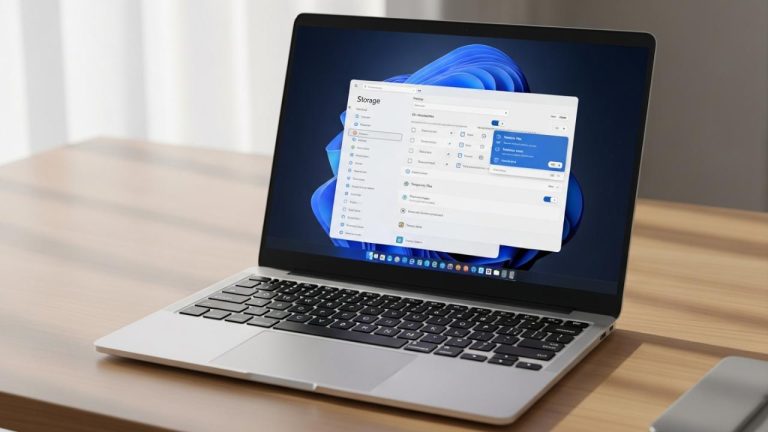
Go to Settings > System > Storage and toggle Storage Sense to “On.” This automated janitor deletes your trash and temporary files every week so you don’t have to worry about manual maintenance again.
Clean Up System Files
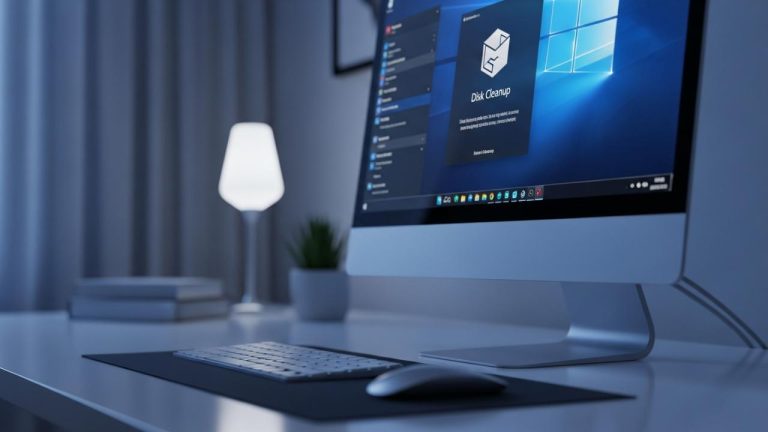
In the Disk Cleanup tool, always click “Clean up system files.” This allows you to remove old Windows Update files, which often take up over 10GB of useless space that a standard cleanup ignores.
3. Eliminate “Silent” Manufacturer Bloatware
Most laptops from Dell, HP, or Lenovo come with “Support Assistants” that do more harm than good. These apps are the definition of why a computer is running slow right out of the box.
The Performance Impact
These apps constantly ping servers and scan your drive, causing micro-stutters during work.
The Permanent Solution
Go to Apps & Features and uninstall any manufacturer software you haven’t used in 30 days. This can reclaim up to 500MB of active RAM.
Still Slow? Try This Advanced “Pro” Hack
If basic cleaning isn’t enough, you may need to disable Windows Indexing. This is a powerful way to clean up a computer and reduce disk usage significantly.
- Search for “Services” in your Start menu.
- Find Windows Search or SysMain.
- Right-click > Properties > Set Startup type to Disabled.Note: This makes older PCs feel snappy again by stopping constant background disk scanning.
4. Fix Lagging PC: Optimize Virtual Memory
When your RAM is full, Windows uses your hard drive as “Virtual Memory.” If this isn’t configured correctly, your PC will crawl regardless of how many files you delete.
The Technical Fix
Search for “Performance,” go to Advanced > Virtual Memory > Change, and ensure “Automatically manage paging file size” is checked. This ensures your Windows 11 PC stays fast during heavy multitasking.
5. Clear Browser Cache and Extension Bloat
A cluttered browser is the #1 cause of “perceived” computer lag. Every extra extension is a hidden process eating your CPU power.
- Cache Purge: Clear your “Cached images and files” to fix site loading errors.
- Extension Audit: Delete any extension you don’t use daily.
- Internal Guide: How to speed up a slow MacBook Pro
6. Physical Maintenance: The Overlooked Cooling Fix
Nearly all lag issues are caused by storage and heat. If your fans are screaming, your CPU is “throttling” its speed to survive, making any computer cleanup efforts useless if the hardware is choking.
The Cleaning Routine
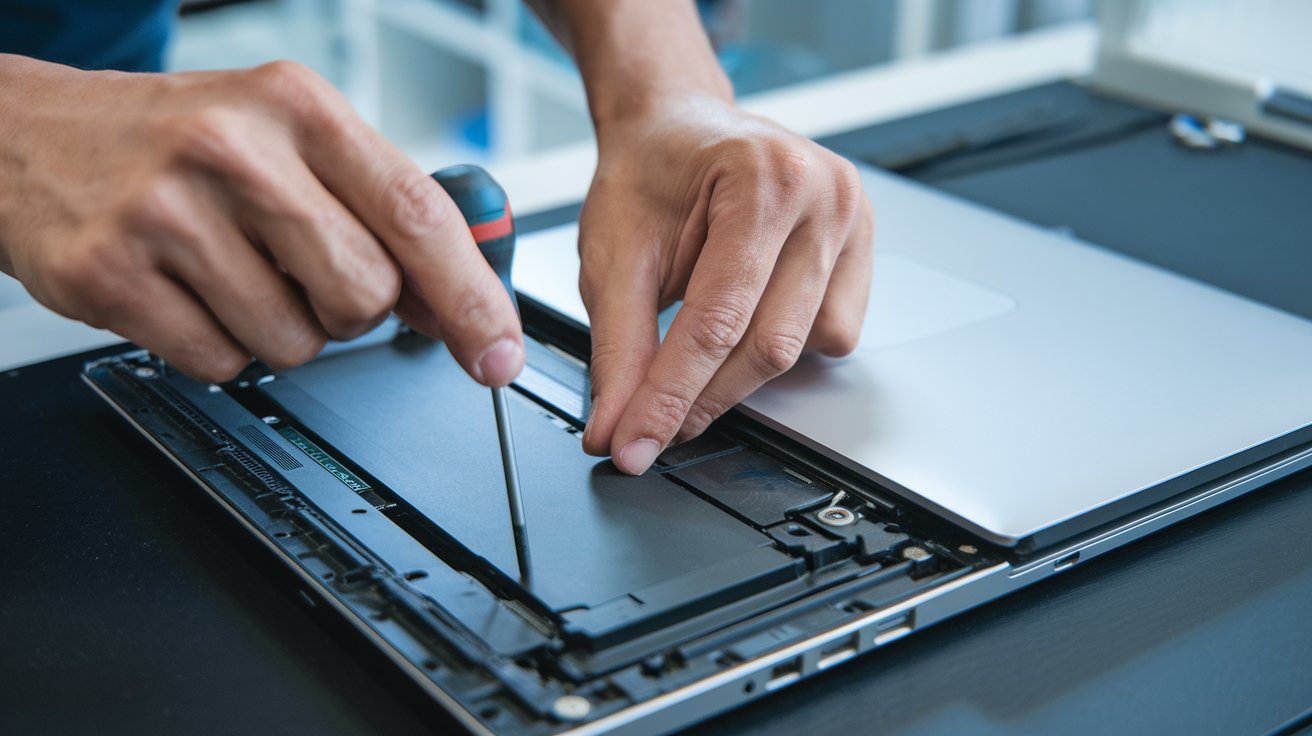
Use a can of compressed air on your vents every 90 days.
The Pro Tip
If you have a desktop, ensure your cable management isn’t blocking the airflow. Better airflow equals higher clock speeds.
7. Security Deep-Scan: Removing Stealth Malware
If your PC is still lagging after all these steps, a “cryptojacker” or “adware” might be stealing your resources.
- The Fix: Run a Windows Defender Offline Scan. This happens before Windows boots, catching deep-rooted viruses that standard scans miss.
FAQ: How to Clean Up a Computer to Fix Constant Lagging
Disable high-impact startup apps in Task Manager, empty your Recycle Bin, and delete temporary files using the %temp% command. These quick actions instantly reduce background load and free up system resources.
Use built-in tools like Disk Cleanup and select “Clean up system files” to remove temporary data, cache, and old update files. This improves performance without affecting your personal documents, photos, or videos.
Disk cleanup only removes storage clutter. If your computer is still slow, the issue is likely caused by limited RAM, too many startup programs, overheating, or an outdated HDD that needs upgrading to an SSD.
Disable startup apps, turn on Storage Sense, update Windows, and clear background processes using Task Manager. These steps can significantly improve performance without spending money on upgrades.
You should delete temporary files, cache files, old Windows update files, and items in the Downloads folder that you no longer need. Avoid deleting system files unless using trusted tools like Disk Cleanup.
For optimal speed, clean temporary files and cache every 1–2 weeks, review startup programs monthly, and perform a deeper cleanup every 2–3 months.
Yes. Clearing cache removes outdated temporary data that can slow down browsers and system processes, helping your computer run smoother and load websites faster.
Check Task Manager for high CPU or RAM usage, disable unnecessary background apps, scan for malware, and ensure your system is updated. Frequent freezing is often caused by resource overload or hidden processes.
Yes. Temporary files are safe to delete because they are only used for short-term processes. Removing them can free up space and improve performance without harming your system.
The most effective method is combining multiple steps: disabling startup apps, clearing junk files, removing bloatware, optimizing storage, and scanning for malware. This full approach ensures both speed and stability.
Final Verdict: Speed is Productivity
A slow computer is more than an annoyance; it’s a barrier to your success. By learning how to clean up a computer to fix constant lagging, you’re not just deleting junk files—you’re restoring performance, stability, and control over your workflow.
Every second wasted on loading screens adds up. But with the right cleanup strategy, you can eliminate lag, free up system resources, and make your computer run like new again.
Stop waiting for your PC to catch up. Apply this complete method on how to clean up a computer to fix constant lagging, optimize your system today, and get back to working at the speed of thought.